
Premium Offset Printing for High End Packaging
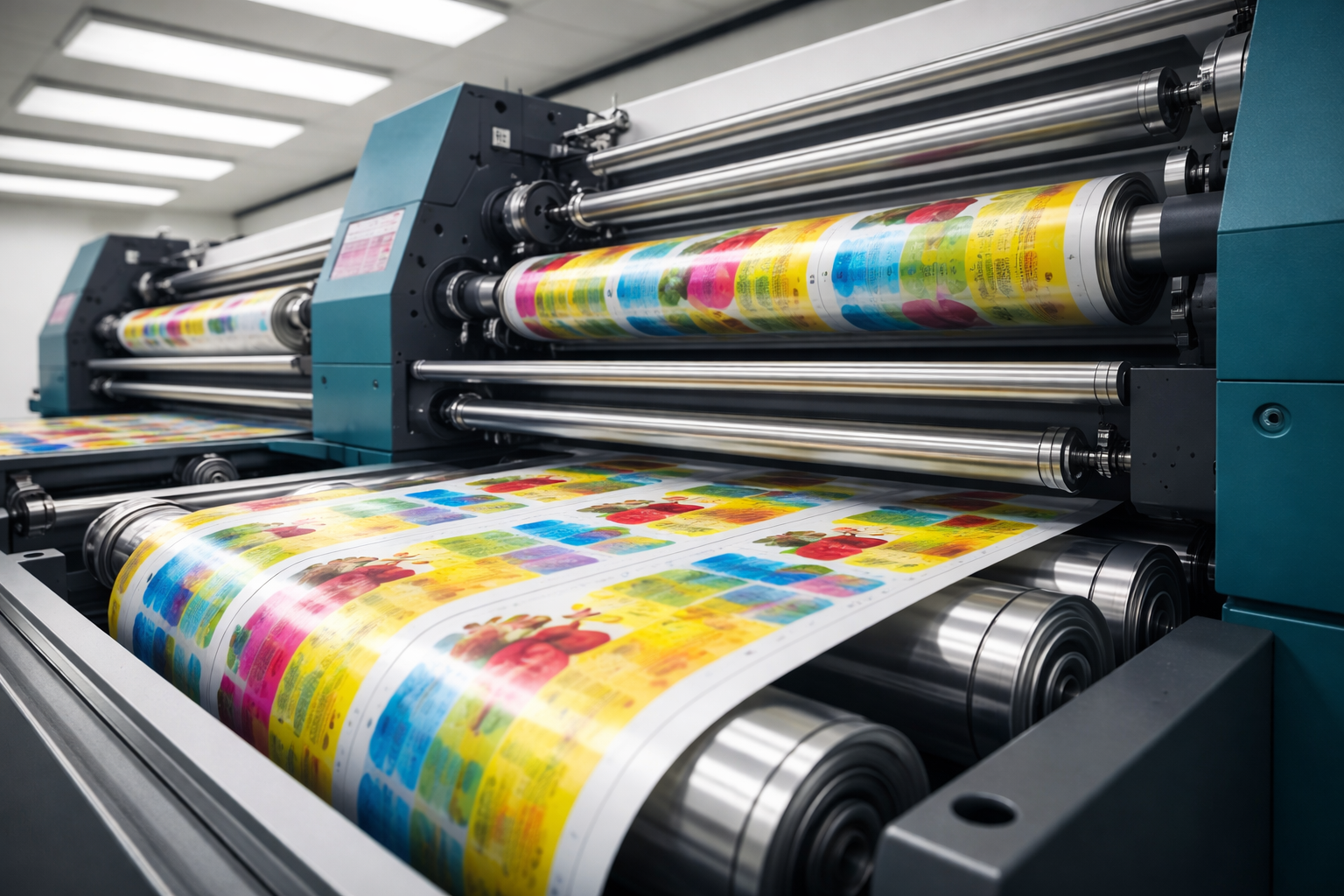
Offset printing is the preferred choice for brands that want exceptional clarity, vibrant colors, and consistent results across large production runs. It delivers unmatched precision and is widely used for luxury packaging and retail boxes where visual perfection matters.
At AAA Pak, our advanced offset presses produce rich colors and sharp detail, making this method ideal for high quality packaging at scale.
Why Choose Offset Printing
Superior Print Quality
Offset printing offers smooth gradients, fine detail, and accurate color matching, making it perfect for premium artwork and detailed designs.
Wide Range of Finishes
This method supports high end enhancements such as matte or gloss coatings, foil stamping, embossing, debossing, and spot UV.
Cost Efficient for Large Runs
Although setup is required, the cost per unit becomes very economical with higher quantities, making it ideal for bulk production.
Best Uses for Offset Printing
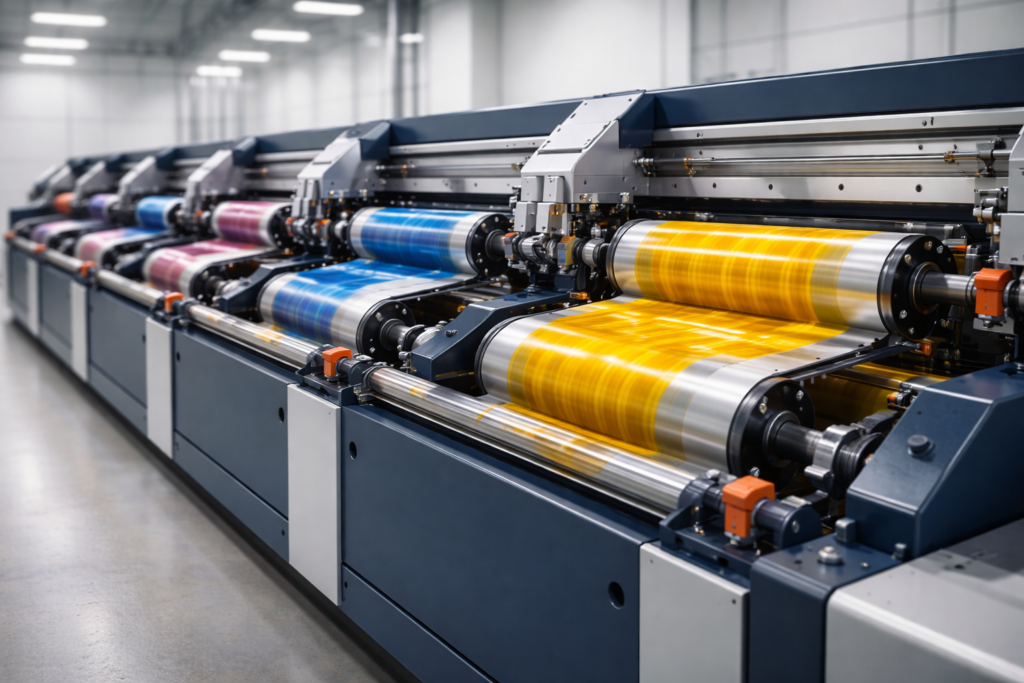
High-Speed Flexographic Printing for Scalable Packaging
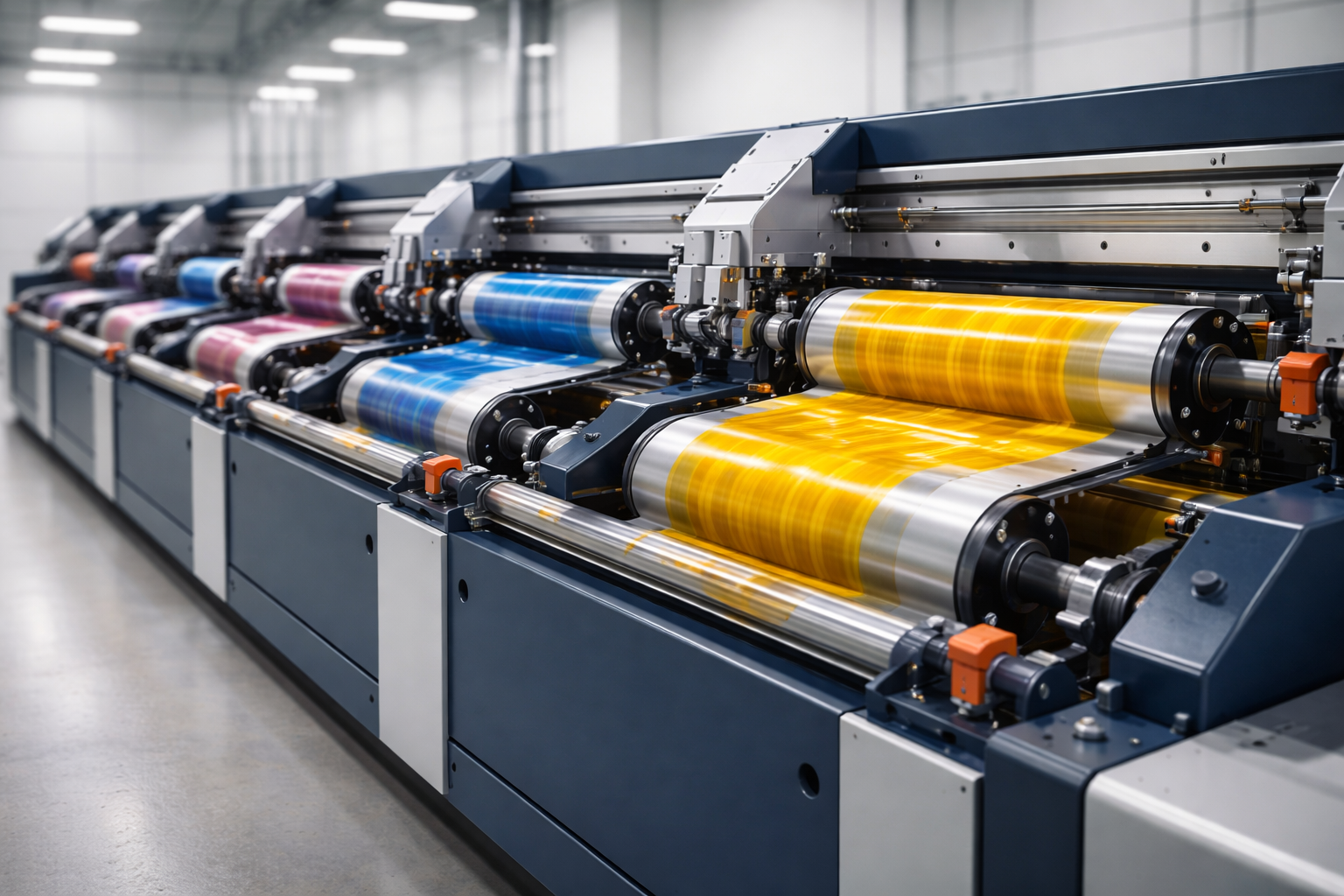
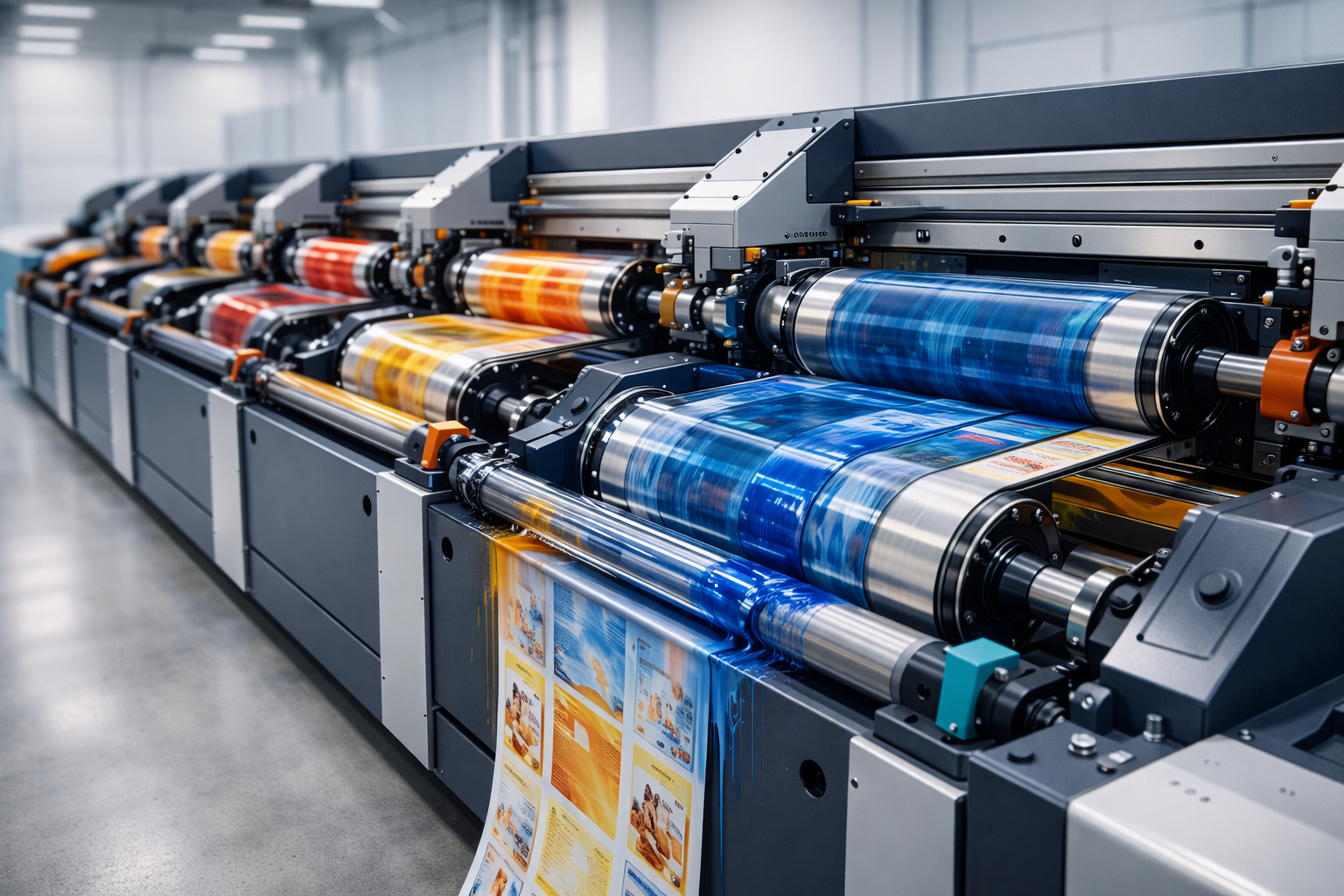
Flexographic printing is an efficient and cost-effective solution for high-volume packaging production. Designed for speed and versatility, it delivers consistent color and durable prints across a wide range of packaging materials, making it ideal for industrial, retail, and e-commerce applications.
At AAA Pak, our flexographic presses ensure reliable quality, fast turnaround, and dependable performance at scale.
Key Features
- High-speed printing for large production runs
- Compatible with kraft, corrugated, paper bags, and flexible materials
- Fast-drying, smudge-resistant inks
- Consistent color across long runs
- Supports inline die-cutting and finishing
Why Choose Flexographic Printing
- Cost-efficient for medium to large quantities
- Faster turnaround compared to traditional methods
- Durable prints suitable for transport and handling
- Eco-friendly water-based ink options
Best Uses for Flexographic Printing
- Corrugated Box
- Kraft Packaging
- Paper Bags
- E-Commerce Packaging
- Food Packaging
- Industrial Packaging
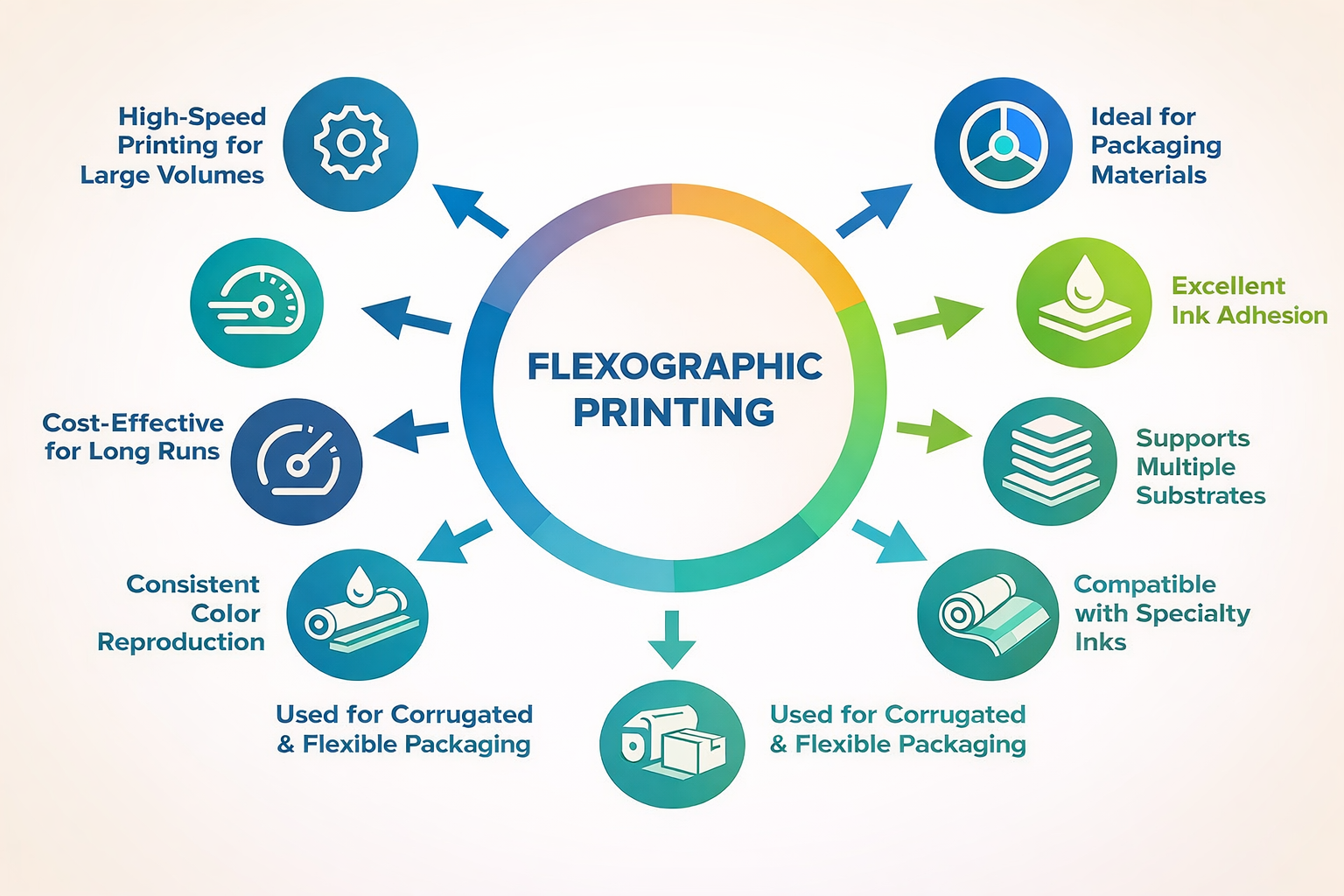
Table of Contents
Flexographic Printing: Benefits, Process, Technology & Applications
A Complete Guide to High-Speed Packaging & Industrial Printing
Flexographic printing, commonly known as Flexo printing, is one of the most widely used printing technologies in the packaging industry. Renowned for its speed, versatility, and ability to print on a wide range of materials, flexographic printing is a backbone technology for corrugated packaging, kraft packaging, flexible packaging, labels, and large-scale industrial print production.
This comprehensive guide explains what flexographic printing is, how it works, its advantages and limitations, the materials and inks involved, and where it fits in today’s modern packaging landscape.
What Is Flexographic (Flexo) Printing?
Flexographic printing is a rotary relief printing process that uses flexible printing plates made from rubber or photopolymer. Ink is transferred from an anilox roller to the raised image areas of the plate, which then prints directly onto the substrate.
Unlike offset printing, flexographic printing applies ink directly to the material, making it highly efficient for continuous, high-speed production. Its ability to print on absorbent and non-absorbent materials makes it ideal for packaging that requires durability, consistency, and scalability.
Flexo printing is commonly used for corrugated boxes, paper bags, kraft packaging, flexible films, labels, and industrial packaging solutions.
The Flexographic Printing Process: How It Works
- Die-cutting
- Folding & gluing
- Slitting
- Lamination
- Stacking and packing
The Evolution of Flexographic Printing
- Digital plate imaging
- High-definition (HD) flexo plates
- Servo-driven press systems
- Automated ink control
- Inline converting and finishing
- Excellent color registration
- Stable printing surface
- Ideal for multi-color designs
- Flexible layout
- Cost-effective
- Suitable for varied substrates
- Multiple processes in one line
- Printing, die-cutting, and folding combined
- High-speed industrial output
- High-speed production – Ideal for large-volume packaging runs.
- Wide substrate compatibility – Prints on paper, kraft board, corrugated board, plastic films, foils, and laminates.
- Fast-drying inks – Supports inline finishing and rapid turnaround times.
- Cost-effective at scale – Lower per-unit cost for long production runs.
- Durable print performance – Excellent resistance to handling, abrasion, and transport conditions.
- Plate setup cost – Photopolymer plates increase initial setup expense.
- Limited fine detail – Not ideal for ultra-detailed photographic images compared to offset printing.
- Pressure sensitivity – Requires precise setup to avoid ink distortion or plate wear.
- Corrugated cardboard
- Kraft paper & kraft board
- Duplex and grey board
- Paper bags and sacks
- Flexible films (PE, PP, PET)
- Foils and laminates
- Label stocks
- Water-based inks (eco-friendly, most common)
- Solvent-based inks
- UV-curable inks
- Photopolymer plates (industry standard)
- Rubber plates (limited use)
- Corrugated shipping boxes
- Retail and transport cartons
- Paper bags and sacks
- Flexible packaging pouches
- Food and beverage packaging
- Industrial and bulk packaging
- Product labels
- Barcode and logistics labels
- Retail branding components
- Wrapping materials
- Protective packaging
- High-volume transport packaging
| Feature | Flexographic Printing | Offset Printing |
|---|---|---|
| Best For | Large-scale packaging | Premium print detail |
| Speed | Very high | Moderate |
| Substrate Range | Very wide | Mostly paperboard |
| Print Detail | Good | Excellent |
| Setup Cost | Moderate | Higher |
| Finishing Options | Limited | Extensive |
- Water-based, low-VOC inks
- Reduced ink waste
- Energy-efficient drying
- Minimal paper and material spoilage
- FSC-certified substrates
- Lightweight packaging optimization
- Recyclable materials
- High-definition flexo (HD Flexo) for sharper imagery
- Digital plate imaging for faster setup
- Hybrid presses combining flexo with digital elements
- Advanced eco-ink formulations
- Automation & AI-based quality control
- High-volume efficiency
- Consistent brand reproduction
- Durable packaging performance
- Sustainable production practices
- Cost-effective scalability